

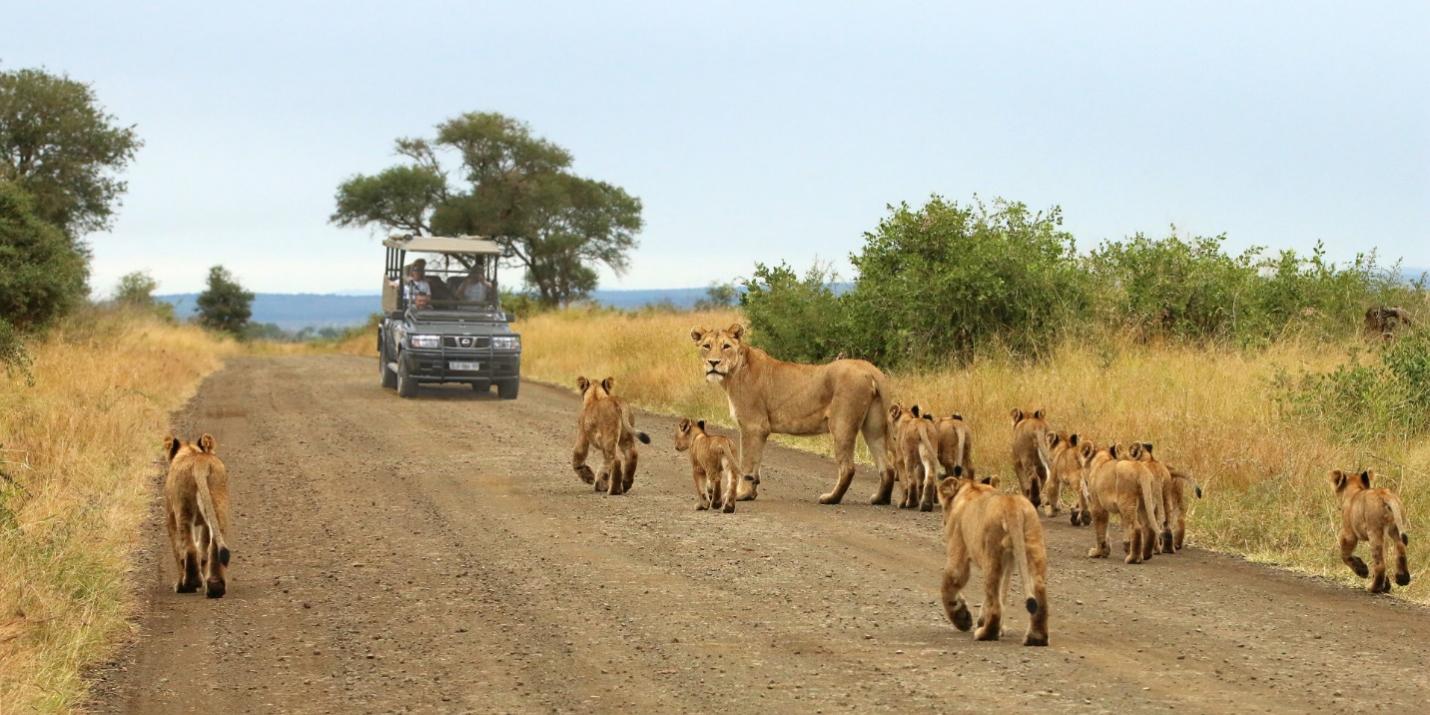
The South African bush is a sight to see because of its varied topography and the ease with which one may approach creatures that are even more gorgeous in real life than they were in your childhood fantasy. The Better Kruger National Park is home to a wide variety of mammals, birds, and insects, including the "big five" Kruger, impala, shongololos (millipedes the size of your hand), colorful kingfishers, and also wild dogs. This park is part of an ecosystem that is safeguarded by the government of South Africa.
When you are an outsider looking in at the rainbow nation, it may be so diverse that there are occasions when you expect one thing and receive something very different. It will surprise you, and you will eventually come to refer to it as enjoyable, despite the fact that it can at times be difficult. You will discover, however, that South Africa may be as true and unadulterated as nature will allow, particularly in the Greater Kruger region. When planning a trip to Africa, visiting Kruger National Park is an absolute must; yet, determining where to start from a distance may be an extremely challenging endeavor.
Keep Yourself Safe
Not only will you encounter large animals that could endanger your life while on a walking safari or while riding in a 4x4 vehicle, but the accommodations in the Kruger National Park and its private reserves are typically unfenced, and it is not unusual for wild animals to wander through camp. Pay close attention to the safety briefings that are being provided by your ranger and the management of the lodge, and don't be afraid to ask to be escorted to and from your tent at night.
Beware Of Mosquitoes
Although the Kruger National Park is in an area that is known to have malaria, the likelihood of catching the disease is rather low. This is true even during the wet summer months (December to April), when the number of mosquitoes is at its peak. In spite of this, it is strongly recommended that you get the advice of a medical professional before going to the Kruger National Park (this is especially important if you are going to be bringing children), and that you take the required precautions to prevent getting bitten while you are there.
Prepare To Bundle Up in Winter
With early morning temperatures hovering just over the freezing mark in June and July, the mid-winter season at Kruger National Park will be chillier than you anticipate. Bring a warm top and cap with you for game drives in the morning and evening; many lodges will also provide blankets for your own use while you are participating in these activities.
Avoid The School Holidays
The major public-access park can get quite crowded during South Africa's lengthy summer holidays in December and January, so try to avoid those months. To have a private and more personal safari experience, we recommend staying in one of the private reserves or concessions that Kruger National Park has to offer.
Relax, You're in Africa Now
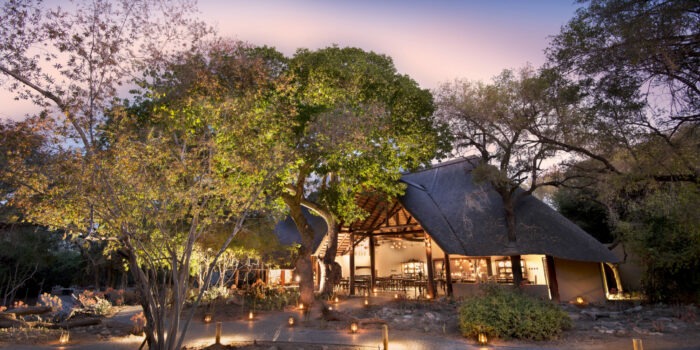
South Africa is a third-world country, so be wary of your assumptions about it even if you've experienced something similar in a first-world country. Behaving in a harsh, aggressive, and demanding manner will get you nowhere. In South Africa, people take things a little easier and the culture celebrates a minimalist way of living. You may have it all by staying in a private luxury lodge where you will be pampered to your every whim. Just like at any other five-star establishment, you will be given all the luxuries and comforts you could want.
Participate In a Self-Drive Safari
Thanks to the park's outstanding infrastructure, the ease with which visitors can reach it, and the fact that visitors may watch wildlife on their own, self-drive safaris to the Kruger National Park and Panorama Route are an alternative that is both straightforward and rewarding. You may either choose one of the itineraries we've suggested or come up with your own, but either way, it'll be a safari that moves at your own speed and is catered to your specific needs.
Staying Associated
It's awesome how you'll still be capable to update your Facebook profile in the African wilderness. Even if you should be concentrating on nature, occasionally there's still signal and it's enticing. The closer to a large town, the better the signal. Keep in mind that silence is golden when searching for wildlife, and that most people in the park, including your guides, will consider it extremely rude if you spend the drives staring at your iPhone instead of taking in the sights of some of the last remaining natural habitats for the animals you came to see.